
Toca Boca Hair Salon 4 NETFLIX
Netflix, Inc.Educational
4.5215.00 Reviews
- Version
- 1.0
- Installs
- 1.00M
- Age Rating
- Everyone
Screenshots
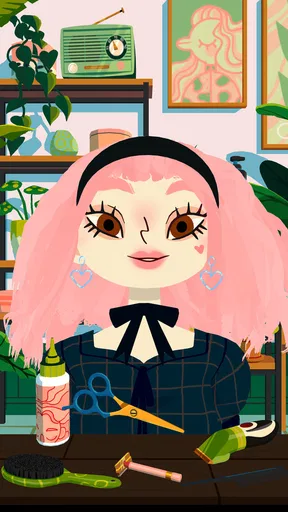

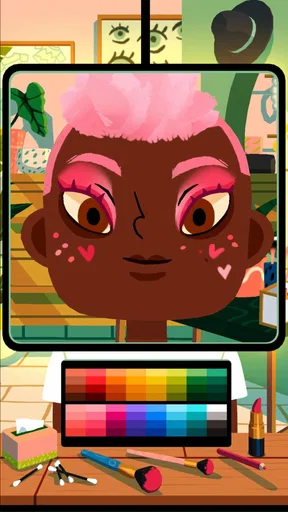
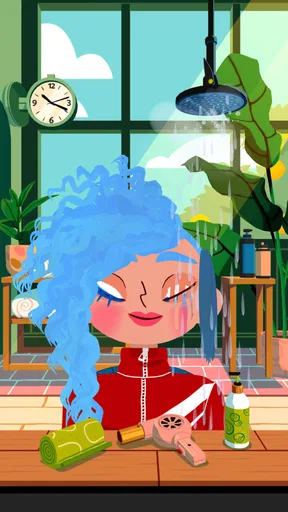
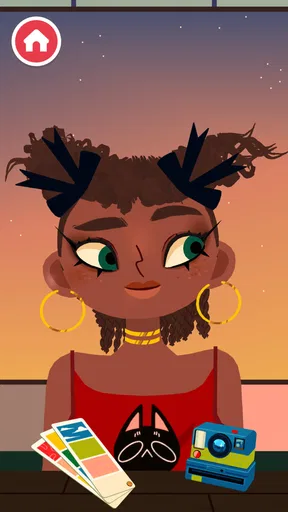
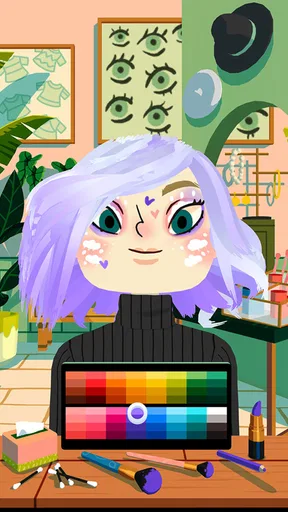
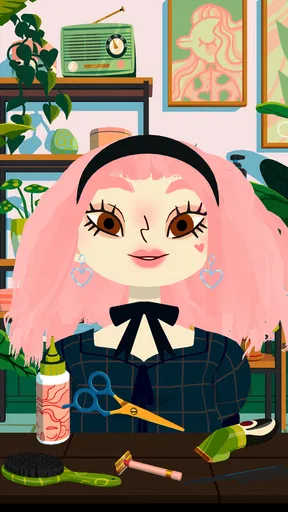
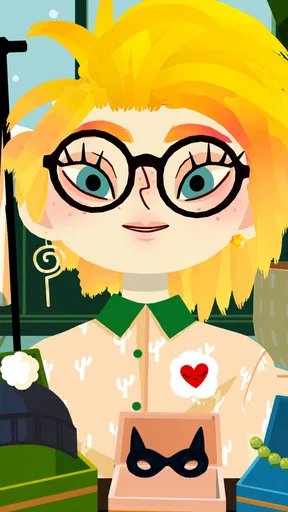
Our Review of Toca Boca Hair Salon 4 NETFLIX
 Analysis by Appyee
I spent time with Toca Boca Hair Salon 4 NETFLIX as a relaxed, child-friendly makeover game, and my first impression was that it understands its audience very clearly. It is built around the simple pleasure of changing a character’s hair and makeup, trying a new look, and seeing the result immediately. There is no pressure to win, no complicated objective to decode, and no need to learn a long set of rules before getting started.
That simplicity is the main reason I can imagine recommending it to families. A child can open it and begin experimenting almost at once, while an adult can understand the appeal without needing a tutorial. At the same time, this is not the right choice for someone looking for a competitive game, a story-driven adventure, or a detailed beauty simulator. Its value comes from creative play, not challenge or progression.
How the makeover experience feels in everyday use
The game belongs to the educational category, although I would describe its learning value as informal rather than academic. It encourages visual decision-making, sequencing, experimentation, and personal expression. A player chooses a direction, changes the appearance, evaluates the result, and then decides whether to keep adjusting it. That loop is easy to understand and naturally invites repeated attempts.
I especially like that the makeover theme gives children a clear starting point without forcing them toward one correct answer. A neat style, a deliberately strange style, and something in between can all be satisfying. That makes the experience more open-ended than many puzzle games aimed at younger players, where success usually means finding the expected solution.
A realistic use case is a short quiet activity after school. A child might sit with a tablet while waiting for dinner, create one look, then return later to try a different idea. The game also fits shared play between a parent and child: one person can suggest a theme, such as a party look or a dramatic change, while the other makes the choices. Because the central interaction is visual, conversation can happen alongside the game instead of being replaced by it.
The most useful habit I found was treating each makeover as a small creative project rather than rushing through it. Start with the hair, decide whether the overall shape feels balanced, and only then work on makeup. This order makes it easier to see how one change affects the rest of the character. It also gives younger players a simple workflow they can repeat independently.
That workflow is one of the less obvious strengths here. The game can quietly teach children to break a creative task into stages. They are not just tapping random options; they are making a sequence of choices and observing the combined effect. It is a modest form of problem-solving, but it is more meaningful than the store summary alone suggests.
Speed expectations and the feel of interaction
For this type of game, perceived speed matters more than raw complexity. Hair and makeup interactions should feel immediate, because even a small delay can make creative play feel awkward. In my experience, the appeal depends on maintaining a quick rhythm: choose something, see it appear, reconsider, and try again.
The uncomplicated design helps keep that rhythm understandable. There is no large map, competitive match, or elaborate sequence of menus competing for attention. I could focus on the character and the transformation itself. That makes the game feel approachable on a touch screen, particularly for children who may find interfaces with many layers frustrating.
Still, expectations should remain realistic. This is a visual play experience rather than a demanding technical showcase. If you are choosing a game because you want advanced animation, deep customization systems, or the kind of responsiveness associated with a competitive action title, this will feel intentionally limited. Its speed is useful because it supports experimentation, not because it delivers high-intensity gameplay.
One practical tip is to let the player finish one idea before changing everything. Rapidly switching every element can make the result feel random and can also make it harder for a child to understand which choice produced which effect. A slower, deliberate sequence turns the same basic tools into a more satisfying creative exercise.
What happens during longer or heavier play sessions
The busiest moments are likely to come when a player repeatedly changes several parts of a look in quick succession. That is when the game has to refresh the character’s appearance again and again, and it is also when a child is most likely to tap quickly or change direction without pausing. In those moments, the important question is whether the experience remains easy to follow.
I found the visual simplicity helpful here. The game does not ask the player to track a score, timer, inventory, or complicated objective while making changes. Even when experimentation becomes busy, the task remains focused on the character. That reduces mental load and makes the game suitable for short sessions as well as longer stretches of creative play.
There is a trade-off, though. Because the experience is centered on one kind of activity, extended sessions may eventually feel repetitive to older children or adults. The freedom to redesign a character can delay that feeling, but it does not replace the variety found in a full dress-up game, a construction game, or a story-based title. I would see it as an activity to return to, not necessarily the only game on a device.
A useful shared-play challenge is to create a look using a theme chosen before starting. For example, one player can suggest a cheerful style, a theatrical style, or a deliberately unusual combination. This adds a small layer of planning without turning the game into a competition. It also helps prevent the session from becoming a series of disconnected taps.
Another worthwhile approach is to compare two versions of the same character. Make one restrained look first, then create a more dramatic alternative. Asking which choices changed the character’s personality gives the game a little more depth and encourages children to explain their decisions. That kind of discussion is where the educational value feels most visible to me.
Reliability, interruptions, and recovering from a session
Reliability is especially important in a children’s game because young players are less patient with confusing recovery steps. A good session should be easy to resume after a pause, a distraction, or an accidental exit. The straightforward nature of this title works in its favor: the player can return to the central activity without having to remember a complicated mission or a long chain of instructions.
I would still recommend that parents treat it as a casual activity rather than assume every session will be uninterrupted. Mobile devices can be affected by background apps, operating-system behavior, or a crowded storage situation, and those factors are not unique to this game. If the device has been running many demanding applications, closing unused apps before handing it to a child is a sensible routine.
Recovery is also easier when the child understands that a makeover can be recreated. That mindset reduces frustration if a session ends unexpectedly. Instead of treating one look as a precious saved achievement, the player can see it as one experiment among many. This is a small but useful difference in how the game is introduced.
The developer is Netflix, Inc., and the title is free to play. Its average rating is 4.5 from around thirteen thousand ratings, while the store shows more than two hundred written reviews. Those figures suggest that many players find the concept appealing, but they should not replace your own judgment about whether an open-ended makeover activity suits the child who will use it.
It has passed the one-million-install mark, which also makes it easier to understand why the game may be familiar to families already using Netflix’s mobile offerings. The important point for me is that its reach does not change its character: this remains a focused, gentle creative game rather than a broad entertainment platform.
Device constraints and who should use it
The game supports Android eight point zero and later, and its current version is one point zero. That makes checking the operating-system requirement the first practical step before installing it on an older phone or tablet. A compatible system does not automatically guarantee identical performance on every device, but it does establish a clear baseline for access.
On a newer everyday device, I would expect the simple interaction model to be comfortable for short play sessions. On an older device, the main concern is not the complexity of the game’s concept but the overall condition of the hardware: available storage, background activity, battery health, and how well the device handles touch input. A child’s experience can feel poor if taps are missed or the screen is slow, even when the game itself is easy to understand.
For that reason, a tablet with a responsive screen may be a better fit than a small phone for younger players. Larger controls and a clearer view of the character make creative decisions easier. A phone is more convenient for occasional play, but the smaller display can make detailed selection less comfortable, especially when a child is still developing precise touch control.
The content rating is Everyone, which matches the gentle, accessible nature of the activity. I would recommend it most strongly to children who enjoy appearance-based creativity and to families looking for a calm screen-time option. It can also work for a child who is hesitant about games because there is no intimidating failure state to overcome.
I would skip it for a player who needs constant goals, rewards, competition, or narrative progress. Someone who prefers racing, action, building, or educational games with explicit lessons may find the makeover format too narrow. Adults seeking a professional styling tool should also look elsewhere; this is playful experimentation, not a serious design application.
How it compares with familiar alternatives
Compared with a conventional dress-up game, this experience feels more focused on hair and makeup than on assembling a complete wardrobe. That focus can be an advantage for a child who wants to see the effect of a hairstyle or facial look without navigating a large collection of clothing and accessories. It can also be a limitation for players who want a full character-creation system.
Compared with educational quiz games, it teaches through making choices rather than testing recall. There is no need to memorize facts to enjoy it, and that makes it less suitable for a parent searching specifically for reading, mathematics, or science practice. Its educational quality is tied to creativity and decision-making, so the benefit is strongest when the child explains, compares, and revises their choices.
Compared with open-ended drawing apps, it provides a more guided canvas. The player is not starting with a blank page, which can be reassuring for younger children who do not know what to create. On the other hand, a drawing app offers more control for children who want to make completely original images. The better option depends on whether the child prefers transforming a character or creating from scratch.
The free price is another practical advantage for families deciding whether to try it. It lowers the barrier to testing the experience, but I would still judge it by how well it holds a child’s attention after the first few makeovers. Free access is useful only when the activity genuinely fits the player’s interests and the household’s approach to screen time.
My performance verdict
After looking at the way the game is structured, I see its performance appeal as a matter of focus and restraint. It does not need to manage a complicated world to deliver its main idea, and that should help the experience feel approachable on compatible mobile hardware. The strongest impression is not technical spectacle but a clear, uncluttered path from choosing a style to seeing the result.
Its limitations are equally clear. The narrow theme may not support long sessions for every player, and the game cannot replace a deeper creative tool or a more varied educational title. Families should also check the Android requirement and use a device with a responsive touch screen, particularly when the intended player is young.
For me, the best way to use it is as a short, repeatable creative activity: choose a theme, build the look in stages, talk about the decisions, and stop when the child is ready to move on. That approach gets more value from the game than simply tapping through every option as quickly as possible.
My recommendation is positive for children who enjoy makeovers and families wanting calm, accessible creative play. I would not present it as a complete educational curriculum or as a game with endless variety. Within its specific purpose, however, it is easy to approach, free to try, rated for Everyone, and thoughtfully suited to imaginative experimentation. If that is what you are looking for, this Netflix release is worth installing on a compatible device.
Verdict
Strengths of Toca Boca Hair Salon 4 NETFLIX
- Creative hairstyles, makeup, outfits, and accessories encourage open-ended play.
- Simple touch controls make it accessible for young children.
- Characters can be customized with diverse skin tones and facial features.
- No ads or in-app purchases interrupt the salon experience.
- Netflix membership provides access without a separate game purchase.
Limitations of Toca Boca Hair Salon 4 NETFLIX
- Requires an active Netflix subscription to download and play.
- Some devices may struggle with performance or storage requirements.
- Gameplay can feel repetitive after experimenting with all salon tools.
- Limited challenge or progression may not appeal to older children.
- Offline access and availability can depend on Netflix app restrictions.
Other Releases by Netflix, Inc.
View All
Netflix
Entertainment4.8

Sonic Mania Plus - NETFLIX
Action4.5

Bloons TD 6 NETFLIX
Strategy4.6

Football Manager 26 Mobile
Sports4.3
Similar Picks in This Category
View All
Little Panda Policeman
BabyBus4.0

Monster Trucks Game for Kids 2
Raz Games4.1

Little Panda's Chinese Recipes
BabyBus4.4

Little Panda's Restaurant
BabyBus4.4

Little Panda's Ice Cream Games
BabyBus4.3

Baby Panda Care
BabyBus3.8
Frequently Asked Questions
What is Toca Boca Hair Salon 4 NETFLIX?
Toca Boca Hair Salon 4 NETFLIX is a creative makeover game in which you style characters, cut and color hair, add accessories, and create complete looks. It is designed for open-ended play rather than competition, so there are no levels to beat or scores to chase. The Netflix edition is intended for Netflix members and focuses on a child-friendly, ad-free experience.
Do I need a Netflix subscription to play Toca Boca Hair Salon 4 NETFLIX?
Yes. This version is distributed through Netflix Games, so an active Netflix membership is generally required to access and play it. You may need to sign in with your Netflix account when downloading or launching the game. Availability can also depend on your country, device compatibility, and the current Netflix Games catalog, so checking the app-store listing before installation is recommended.
Is Toca Boca Hair Salon 4 NETFLIX safe and suitable for children?
The game is built around imaginative salon play and does not rely on fighting, gambling, or competitive online features. Its simple controls and colorful presentation make it approachable for younger players. However, parents should still review the age rating, device settings, and Netflix profile controls. Children may also need help managing downloads, account access, and in-app device permissions.
Does the game include advertisements or in-app purchases?
The Netflix edition is designed to provide gameplay without traditional third-party advertising or separate in-game purchases. Players can experiment with hairstyles, colors, facial hair, accessories, and salon tools without being repeatedly prompted to buy virtual items. Access is tied to the Netflix subscription rather than individual purchases inside the game, although standard subscription terms and regional availability still apply.
Can Toca Boca Hair Salon 4 NETFLIX be played offline?
You may be able to play after the game has been downloaded and your Netflix access has been verified, but an internet connection can be required for the initial installation, account authentication, updates, or license checks. Offline behavior may vary between Android and iOS devices. For the smoothest experience, open the game online first and keep enough storage available for future updates.
Play our best games!


